Logo of UNAIDS

Results and 
Transparency Portal

toggle

Main navigation

  • Home
  • Joint Programme
    • UNAIDS in Action
    • 2022-2026 UBRAF
    • UN Reform & the 2030 Agenda
  • Results
    • UNAIDS Results
    • Result Areas
    • Regions
    • Countries
    • Cosponsors
    • Performance Indicators
    • Secretariat
  • Resources and Investments
    • Resources and Investments
    • IATI
  • Donors
    • UNAIDS Resources Mobilization
    • UNAIDS Contributors
    • Evaluation, Audit and Risk Management
  • Documents Library
Search
Filter By:
Strategy/Framework/UN Reform/Reports
Result Area
Regions
Agency
Countries
Content Type
Year
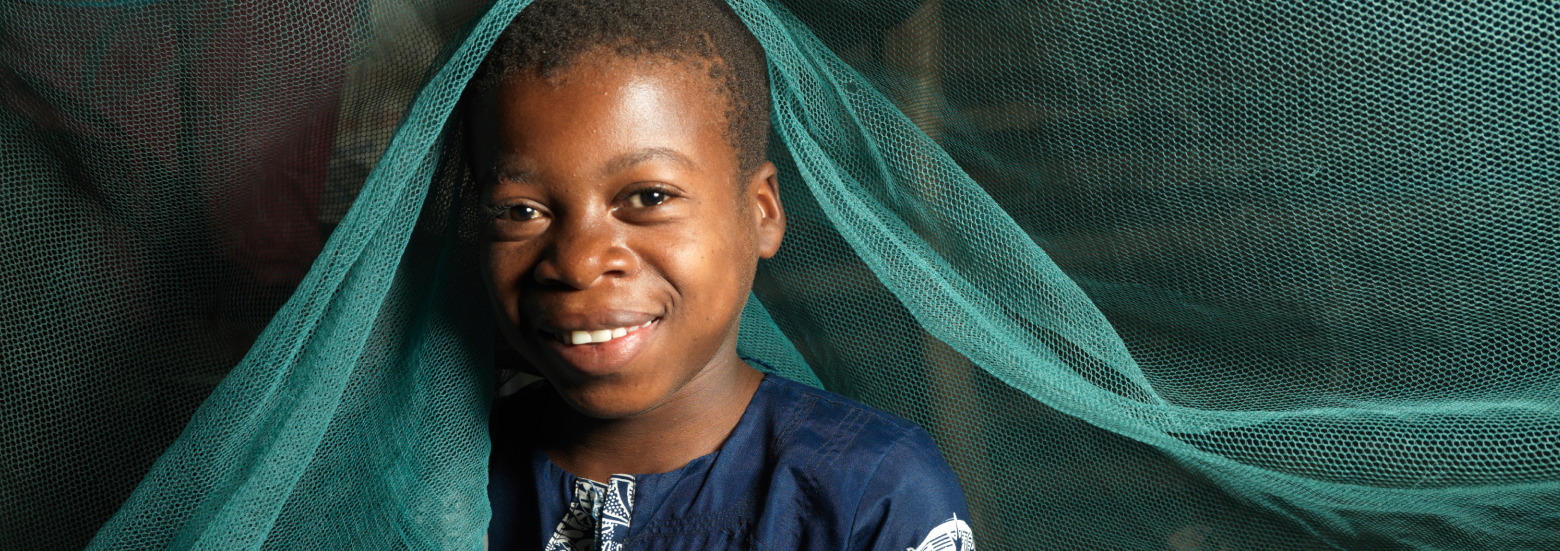
Banner Image of UNAIDS RESULTS
infoCredit: UNAIDS/P.CatoninfoCredit: UNAIDS/P.Caton

UNAIDS Results

UNAIDS Results

The collective results of the Joint United Nations Programme on HIV/AIDS (UNAIDS) in 2025 saved lives and helped further accelerate progress towards the 2025 global AIDS targets and ending AIDS as a public health threat by 2030. Providing multisectoral support and mobilizing stronger political commitment from countries, the Joint Programme clearly demonstrated its value added and remained a catalytic force in the HIV response focusing on reducing HIV-related inequalities. Using a people-centred and human rights-based approach in all its works, it empowered communities, addressed policy barriers, generated and supported use of programmatic, epidemiological and financing HIV data and guided billions of US dollars for effective and more sustainable HIV responses worldwide. In a challenging context, the Joint Programme demonstrated again its high flexibility to optimize resources and respond to evolving demands and needs.

The UNAIDS Unified Budget, Results and Accountability Framework 2022–2026 (UBRAF) guides the operationalization of the Joint Programme’s support for the implementation of the Global AIDS Strategy. With constant prioritization to optimize resources in an evolving context and informed by latest evidence and gaps, the Joint Programme has further sharpened its focus to support countries to accelerate progress towards the global AIDS targets.


2021-2026 Global AIDS Strategy 3 priorities & UBRAF outcomesJoint Programme priorities2021-2026 Global AIDS Strategy & UBRAF 10 result areas
Maximize equitable and equal access to HIV services and solutions

Advance progress on HIV prevention

Accelerate access to HIV treatment and new health technologies

Promote decriminalization, human rights and gender equality to support access to HIV prevention and treatment services

RA 1: HIV prevention 
RA 3: Paediatric AIDS, vertical transmission

RA 2:  HIV treatment

Break down barriers to achieving HIV outcomesPromote community-led HIV
responses, including
community-led services and
monitoring

RA 4: Community-led responses 
RA 5: Human rights

RA6: Gender equality
RA 7: Young people

Fully resource and sustain efficient HIV responses and integrate them into systems for health, social protection, humanitarian settings and pandemic responses.Ensure equitable financing and sustaining the HIV response

RA 8: Fully funded HIV response
RA 9: Integration and social protection

RA 10: Humanitarian settings and pandemics

Progress against all four priorities is undergirded by actions aimed at ending HIV-inequalities, including gender inequalities, protecting human rights, removing punitive laws and policies and other social and structural barriers and ending stigma and discrimination.

The Performance Monitoring Report summarizes the Joint Programme’s results towards realizing the three UBRAF outcomes, which contribute to the 2021-2026 Global AIDS Strategy’s three strategic priorities: maximized equitable and equal access to HIV services; broken down barriers to achieve HIV outcomes; and sustained and integrated HIV responses. 

The 2025 Performance Monitoring Report (PMR) captures the contributions of the Joint Programme to the HIV response and reflects its unique role, critical leadership, adaptability and resilience despite important shifts in global political, financial contexts and priorities. It features the Joint Programme’s work and results in mitigating the impact of the funding shifts with illustrative examples at country, regional, and global levels. Moreover, the PMR showcases the Joint Programme’s development of tools, policy briefs and methods for the elaboration of Sustainability Roadmaps for national HIV responses, as well as its support to countries to produce these roadmaps and use them as they navigate funding volatility and progressively transition away from high dependence on external financing. Above all, the 2025 PMR highlights the indispensable role of communities, and the continued relevance of a coordinated, rights based, evidence-informed and multisectoral approach to the global HIV response, especially during difficult times. 

The global HIV response saved nearly 27 million lives

26.9 million AIDS-related deaths averted thanks to antiretroviral therapy (1996-2024)

31.6 million people receive life-saving treatment (by end 2024)

Over 61% decline in new HIV infections (1996-2024)

87% of people

 living with HIV knew their HIV status, and 89% of them were receiving HIV treatment in 2024

15 countries
decriminalized consensual same-sex sexual acts 2016-2024

60%
of HIV funding was domestically funded in 2024

UNAIDS Key results
  • Maximized equitable & equal access to HIV services Maximized equitable & equal access to HIV services
  • Broken down barriers to achieve HIV outcomes Broken down barriers to achieve HIV outcomes
  • Sustained & integrated HIV responses Sustained & integrated HIV response

79 countries supported to scale up combination HIV prevention programmes 

Technical support and new guidelines helped accelerate roll-out of long-acting prevention methods including cabotegravir, lenacapavir and dapivirine vaginal ring

73 countries have a national plan for the elimination of vertical transmission of HIV and implement the treat all policy for pregnant and breast-feeding women

79 countries supported for the incorporation and expansion of community-led HIV responses

66 countries supported to remove or amend punitive and discriminatory laws and policies affecting the HIV response

68 countries supported to reduce HIV-related stigma & discrimination 

46 countries supported now have stronger gender expertise and capacity to further integrate gender equality into the national HIV response

72 countries supported to establish HIV antiretroviral services financed as part of the overall systems

55 countries supported to improve allocative efficiency, and 25 countries supported for HIV response sustainability roadmaps

41 countries supported to implement interventions/services for key populations in humanitarian settings

Leadership, partnership, advocacy country support & accountability Leadership, partnership, advocacy country support & accountability

State-of the art strategic information guide the global response, with HIV estimates from 182 countries

74 countries supported to review, assess and/or update their national strategic plan on HIV

In 75 countries, the UNSDCF integrates priorities on ending HIV-related inequalities and ending AIDS

Further leveraged the power of partnerships with communities, governments, networks & other key stakeholders, including close synergies with Global Fund & GHSD

  • Image of HIV Prevention HIV Prevention
    Image of HIV Treatment HIV Treatment
    Image of Paediatric AIDS, vertical transmission Paediatric AIDS, Vertical Transmission
    Image of Community-led responses Community-led responses
    Image of Human rights Human Rights
    Image of Gender Equality Gender Equality
    Image of Young People Young People
    Image of Fully funded, Sustainable HIV response Fully funded HIV response

    Image for Integrated Systems Integration and Social Protection
    Image of Humanitarian Settings and Pandemics Humanitarian Settings and Pandemics
    Logo of UNHCR
    United Nations High Commissioner for Refugees
    Logo of UNICEF
    United Nations Children Fund
    Logo of World Food Programme
    World Food Programme
    UNDP
    United Nations Development Programme
    UNFPA
    United Nations Population Fund
    UNODC
    United Nations Office on Drugs and Crime
    UN Women
    United Nations Entity for Gender Equality and the Empowerment of Women
    Logo of ILO
    International Labour Organization
    Logo of UNESCO
    United Nations Educational, Scientific and Cultural Organization
    Logo of WHO
    World Health Organization
    Logo of The World Bank
    World Bank
    Thumbnail Image
    info Credit: UNAIDS
    Asia and Pacific
    Thumbnail Image
    info Credit: UNAIDS/Dwayne Senior
    Eastern and Southern Africa
    Thumbnail Image
    info Credit: UNAIDS
    Eastern Europe and Central Asia
    Thumbnail Image
    info Courtesy: Erika Castellanos
    Latin America and the Caribbean
    Thumbnail Image
    info Credit: UNAIDS
    Western and Central Africa
    Reset
    close
    RESULT AREAS
    JOINT TEAM
    Total Expenditure
    0
    VIEW COUNTRY PAGE

    Resources

    2025 UNAIDS Financial Report
    Jun 2026
    2025 Financial Report
    2025 Performance Monitoring Report
    Jun 2026
    2025 Performance Monitoring Report (PMR)
    2024_Infographic-Driving-Innovations
    Jan 2026
    Driving Innovations in the HIV response (2024 Results)
    2024_Infographic_Ending-AIDS-in-Children
    Jan 2026
    Ending AIDS in Children (2024 Results)
    2024_Infographic_Equitable-and-Sustainable-Financing
    Jan 2026
    Equitable and sustainable financing for the HIV response (2024 Results)
    2024_Infographic_Improving-lives-of-People-who-use-drugs
    Jan 2026
    Improving lives of People who use Drugs (2024 Results)
    Logo of UNAIDS
    • X
    • Facebook
    • Instagram
    • YouTube

    Copyright © 2024

    UNAIDS

    • Report fraud, abuse, misconduct
    • Scam alert
    • Terms of use